
On Using Tobacco
Attitudes have radically changed during my lifetime

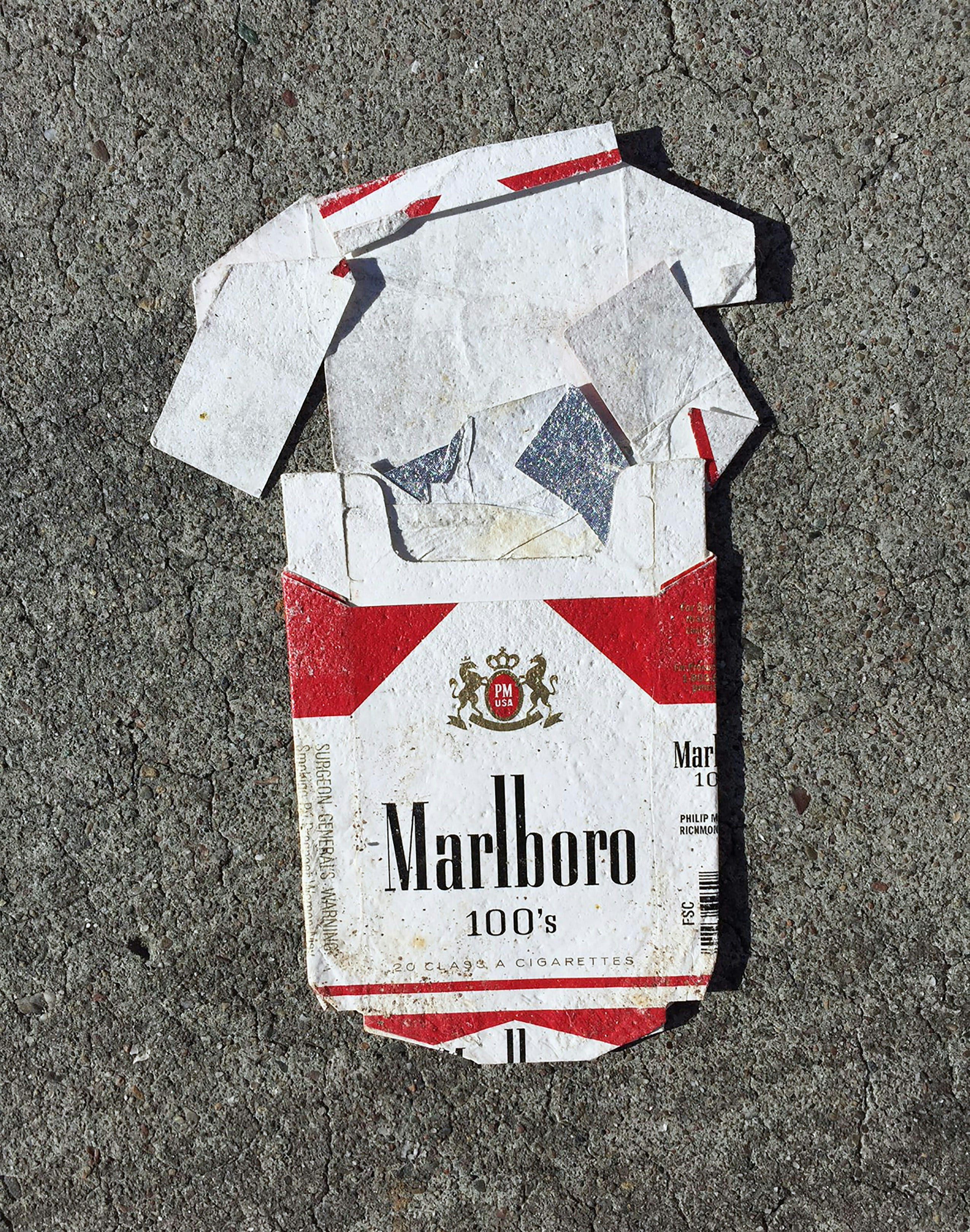
I remember watching a documentary about the assassination of President Kennedy, and it seemed like all the men in the film clips wore hats, and most of them were smoking. Newscasters speaking to the camera held microphones in one hand and cigarettes in the other, and one of them performed an awkward juggling act when he was handed a note with an important update to read to his audience.
Indeed, smoking was ubiquitous in that era, and during the early 1960s, over forty percent of adults in the US smoked. When I was a child during that decade, most of my relatives lived in North Carolina, which still leads all fifty states in tobacco production. Some of my kin grew the lucrative cash crop, and many more used tobacco in various forms. Some smoked cigarettes, cigars, and pipes; others chewed tobacco, and even my mother’s mother and a rather elegant and refined great aunt on my father’s side dipped snuff.
My father favored cigars, but chewed on them more than he actually smoked. For years my father hasn’t even bothered to light up, but he still gnaws on Backwoods Sweet Aromatic cigars. He also used chewing tobacco for many years prior to giving that up.
I was just a boy barely counting my age in double digits as I watched The Wonderful World of Disney, and my father sat beside me on the sofa when he pulled out his bag of Beechnut chewing tobacco. I asked him if I could have some, so he allowed me to pack a wad in my mouth, assuming I’d find it revolting and not ask again.
Even then I knew you should never swallow the stuff, so I sat and periodically went to the back door to spit out some juice. It was a very pleasant experience for me, but the next time I asked my father for some more of his stash, he refused.
In seventh grade, I was washing our Pontiac and discovered a stale plug of Apple tobacco buried beneath all the odds and ends in the glove compartment. On the sly, I used my pocketknife to cut off chunks from that little brick of compressed tobacco, and then started buying my own plugs of Apple or Brown’s Mule, or bags of Red Man, back in the days when the legal age for purchase was only 16. I was seldom carded, or if I was, I could usually say I was buying those goodies for my father and walk out with whatever I wanted.
During ninth grade, I started smoking cigars, and then abandoned them for cigarettes. I continued chewing tobacco, but in the suburban Washington, DC, teenage environment where I came of age, my peers found the practice crude and generally uncool, so I usually abstained in their presence. Conversely, cigarettes provided something of a bonding opportunity, and I joined others in their daily smoking rituals in front of the high school and at various other smoker approved zones between classes. I even remember wedging a cigarette behind my ear, so I could smoke in gym glass during outdoor basketball games.
After graduating in 1976, I attended a community college where I could smoke in the buildings instead of being forced outside in all kinds of weather. Ashtrays had been installed in the hallways, and I was even able to enjoy a cigarette with some of my teachers before we entered the classroom. One of them asked us students if we minded his smoking while he was teaching. Of course, nobody protested, so I also lit up at least one cigarette per lecture while the man talked, and I took notes.
Part of my duties at the part-time job I held at that time had me selling cigarettes, so I sampled virtually every brand we offered, and I was allowed to smoke during my shift. There was even an ashtray provided for me near my cash register, which I filled with the spent and rancid butts of my habit.
When I finally surrendered my life to Christ at the age of twenty, I completely quit using tobacco. What drove me to do this was partially an ever-present legalism, a fear that lighting up a cigarette might put me on a “slippery slope” to eternal perdition. Through sheer grit and the grace of God, I abstained, but doing so was one of the hardest things I have ever done. I missed smoking that much; I really did.
People who have never smoked can’t truly understand the allure of tobacco. Having a cigarette breaks up the day with little respites from whatever monotony we have to endure, and those times are often a shared and almost communal experience with others. And then there is the nicotine found in tobacco, which can be genuinely therapeutic. Advertisements in the first half of the last century touted these “benefits,” and bona fide doctors recommended cigarettes as an aide to digestion, a means of losing weight, and a balm for nervousness.
Nicotine is addictive, so a cigarette certainly helps abate any withdrawal symptoms, but studies have also suggested positive effects on those suffering from a host of stress and attention deficit disorders, Parkinson’s disease, ulcerative colitis, and even sleep apnea. One article I read about the therapeutic merits of tobacco was titled “Great Drug, Lousy Delivery System.” In other words, using a patch or some other method to ingest nicotine might cure or at least mitigate your illness’s symptoms, but cigarettes aren’t the way to get your meds. Setting fire to tobacco releases 69 known carcinogens and hundreds of other chemicals with the potential to damage virtually every organ of the body.
Even though I practiced complete abstinence from tobacco for several years after my conversion, at various times since then I have been a rather temperate user of various tobacco products. I’ve known good Christian men who enjoy cigars, much like the great preacher Charles Spurgeon. Cigars tend not to be a serious health risk because cigar smokers merely puff on them rather than inhaling, but because I had previous experiences with cigarettes, just mouthing the smoke still seems abnormal to me, and I can finish off a cigar, inhaling every pull, and usually don’t feel any nicotine buzz, let alone nausea, like others might.
For decades, I have also occasionally smoked cigarettes, usually with my brother, and the relatively rare and sporadic times I enjoyed a cigarette posed no real threat to my health. There have even been a few very brief periods during which I would buy a bag of tobacco and some rolling papers, so I could twist up a smoke to enjoy in private every now and then.
Former smokers have told me they knew that if they smoked just one cigarette, they’d be right back to a daily habit. That wasn’t an option for me; I knew Jesus didn’t want me to be a habitual smoker, because it wasn’t good for my health and was not a positive witness, so I never got hooked.
A few years after my conversion, however, I started chewing tobacco again. I never thought it was such a big deal because it was something I enjoyed when hunting, fishing, hiking, or working in the yard. For several decades, I would chew tobacco, then quit completely for months and even years at a time, but return to what I considered to be a modest amount, no more than a bag a week.
By the way, I’ve read a lot of research on smokeless tobacco products, and this is what I found: “moist snuff” like Copenhagen that people “dip” by pinching out some and packing it between the cheek and gum correlates with increased oral cancer risk, can raise one’s blood pressure substantially, and is loaded with nicotine, making it highly addictive. On the other hand, even chronic use of “leaf tobacco” that people “chew” has only a negligible effect. In fact, users of a Swedish homogenized form of smokeless tobacco had lower than average rates of oral cancers.
Sometime back I completely quit chewing tobacco once again. It seems to me that using tobacco is at best one of those things that “are lawful, but not all things edify” (I Corinthians 10:25). I also remember being a single man when an older brother in Christ saw me spit out some tobacco juice, and he quoted Matthew 15:11: “It is not what enters the mouth that defiles the person, but what comes out of the mouth, this defiles the person.” We laughed together at his joke, but he did have a point, and using tobacco is usually incongruous with being an image bearer of Christ.
Several years ago, I was going fishing and decided to buy a bag of chewing tobacco. It had been quite a while since I purchased any and was shocked to find it had nearly doubled in price, so I told the lady at the cash register to just keep it.
Legislators have been consistently increasing taxes on tobacco products for years. Politicians generally love what are sometimes referred to as “sin taxes” because they are a sly way to boost revenue. These hidden charges increase the costs of not only tobacco, but also alcohol, gambling, and a host of other products and services deemed unhealthy or detrimental to society, but the largest increases have been for tobacco products, and this reflects a legislative trend that is pushing tobacco users toward the margins of society.
When I attended Montgomery College during the late 70s, smoking was allowed in the buildings, but when I began my teaching career at Delaware Technical Community College in the late 1990s, smokers were not allowed indoors at all and congregated at the front of the building or in the courtyard where the stench of cigarettes was so thick that I referred to it as “the ashtray.”
By the time I retired in 2020, people were not supposed to use tobacco anywhere on campus, even within their own cars in the parking lot. I assumed the ban included use of moist snuff and spit tobacco products. Secondhand smoke is a true health hazard, so I agreed with the policy, even though there are no secondhand risks posed by users of smokeless tobacco, unless they hit someone with their spit, and then the harm only tends to be cosmetic more than detrimental to their health.
Perceptions of smoking have changed radically since the 1960s when nearly half of adults indulged in the habit, and it wasn’t seen in such a negative light. The rugged cowboy portrayed in Marlboro commercials lent a manly air to smoking, but broadcast advertising for cigarettes was banned in 1971. Throughout that decade, however, people in the actual shows still smoked profusely. Johnny Carson and other talk show hosts often wielded cigarettes, and lead actor James Garner’s character in The Rockford Files lit up multiple times during each episode.
Years later, smoking on screen is generally reserved for characters from an earlier era, as was the case in the show Mad Men, or in more contemporary settings the smokers tend to be outcasts, criminals, or those who are deeply troubled. Smoking is currently disdained by most people, and this is an especially good time to be tobacco free. I’m particularly thankful that I have no raging addiction driving me to those places on the outskirts of contemporary life, the dwindling spaces where one can still have a smoke or chew and not incur public scorn.
All the writings in my expanding and eclectic Substack archive are available to everyone at no cost, but a free subscription sends new postings directly to your inbox or Substack app.
Paid subscriptions are a way to make an “offering” that helps validate and support my writing, and they are the means by which ad-free Substack stays in business. The monthly option allows you to contribute a smaller amount for a short while and then revert back to a free subscription, but at the “Patron” level, you will receive a copy of my new novel to be published in early 2026.